Master AI image generation: the ultimate lighting guide for better prompts
If you've spent any time prompting AI image generators, you've probably typed adjectives like “photorealistic,” “cinematic,” or “8k resolution.” Those buzzwords are popular, but they rarely produce the results you're after. The real difference between flat, amateurish AI art and striking, professional output is lighting. Image models are trained on millions of real photographs and artworks, so they understand lighting setups, the physical properties of light, and camera technique remarkably well. Replace generic fluff with precise lighting terminology and you give the model a clear blueprint for shadows, depth, and mood. Here is a guide to the best lighting keywords, organized by the exact visual style you're after.
Natural & atmospheric sunlight
Best for outdoor scenes, realistic portraits, and warm, evocative atmospheres.
- Golden hour / magic hour: warm, low-angle sunlight that casts long, soft shadows and bathes the scene in a rich golden hue – golden hour lighting, warm sunset glow, raking sunlight, long soft shadows.
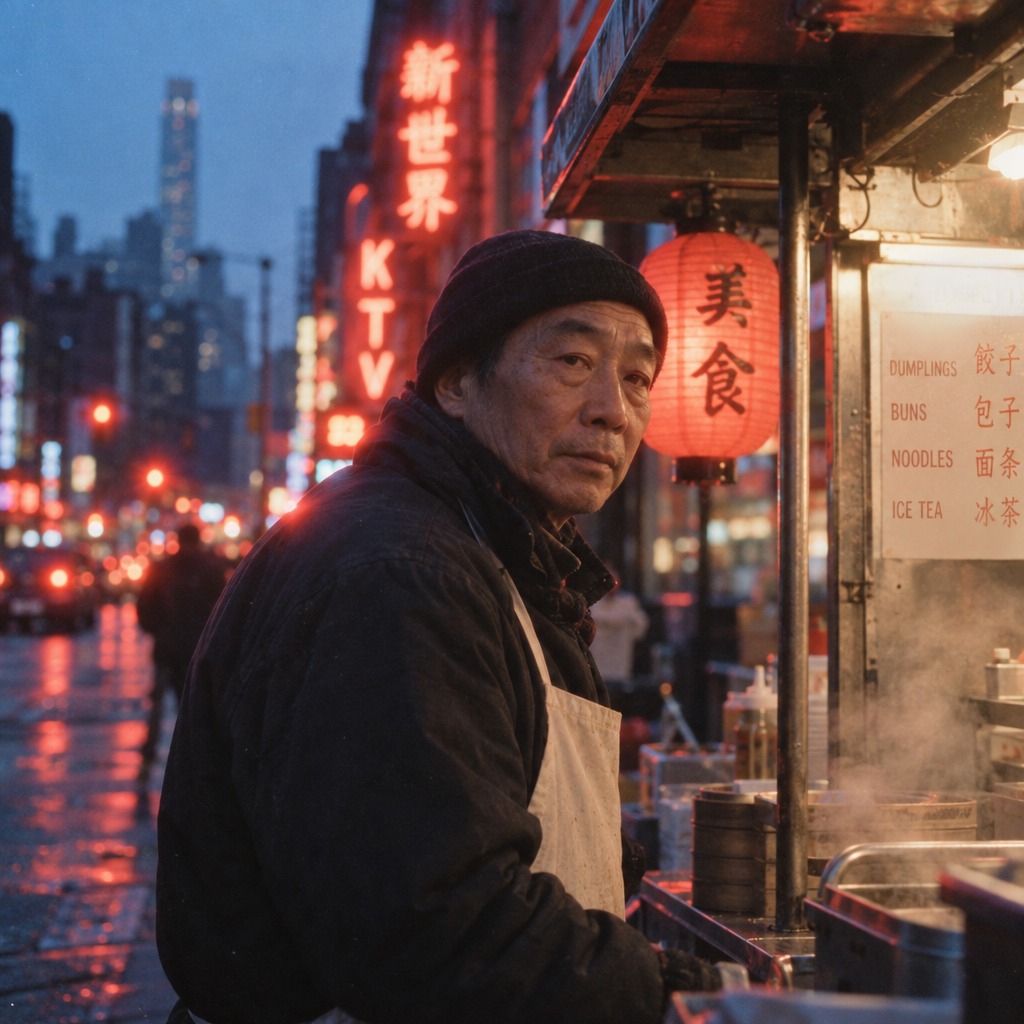
- Blue hour / twilight: the serene, cool ambient light present right after sunset or just before sunrise, excellent for calm or mysterious moods – blue hour lighting, twilight sky, cool ambient illumination, dusk sky.
- Dappled sunlight: light filtering through overhead obstacles like tree leaves or window blinds, creating complex patterns of light and shadow – dappled light through foliage, filtered sunlight, shadow patterns.
- Crepuscular rays (“god rays”): sunbeams breaking through clouds or dense atmospheric fog, casting distinct visible shafts of light – god rays, crepuscular rays, volumetric sunlight beams, atmospheric dust glow.
Studio & portrait lighting
Best for commercial looks, crisp portraits, high fashion, and controlled aesthetic setups.
- Rim lighting / halo effect: a strong backlight placed behind the subject to light up their edges, creating a bright contour that separates them from the background – rim lighting, edge light, backlit silhouette, kicker light on hair.
- Rembrandt lighting: a classic portrait setup using an elevated key light to cast a dramatic shadow, leaving a distinct triangle of light on the shadow-side cheek – Rembrandt lighting, 45-degree key light, dramatic cheek light triangle.
- Softbox / beauty dish: soft, evenly diffused studio illumination that minimizes harsh shadows and creates smooth skin tones – softbox studio light, soft diffused illumination, beauty dish setup.
Two more terms describe the overall tonal range of a shot rather than a specific light source:
| Style | What it looks like |
|---|---|
| High-key | Bright scenes dominated by whites and soft tones, with minimal shadow contrast. |
| Low-key | Moody, dark scenes dominated by deep blacks, rich shadows, and selective focal highlights. |
Cinematic & high-drama lighting
Best for visual storytelling, film stills, noir, and bold emotional contrast.
- Chiaroscuro: a painterly technique featuring stark contrast between bright highlights and deep, enveloping darks – chiaroscuro lighting, stark tonal contrast, deep shadow falloff, harsh side-lighting.
- Volumetric fog & mist: light scattering through suspended smoke, fog, or dust particles, giving physical volume to the light source – volumetric lighting, light beams through fog, atmospheric haze, smoky room spotlight.
- Split lighting: a key light placed directly to one side of the subject, creating an exact 50/50 division of bright light and complete shadow – split lighting, side-raked light, harsh profile shadow.
Artificial & cyberpunk lighting
Best for gritty cityscapes, sci-fi concepts, night scenes, and vibrant mood pieces.
- Neon & dual-tone (bi-color): vibrant, saturated artificial light from neon signs, digital screens, or colored studio gels – neon sign glow, cyberpunk dual-color lighting, cyan and magenta rim lights.
- Practical window light: directional interior lighting pouring in through a window, casting soft gradients across a room – soft window key light, directional indoor illumination, natural interior falloff.
- Flickering firelight / candlelight: organic, low-intensity light emitting a warm, flickering amber glow with high localized contrast – warm candlelight glow, flickering firelight, amber point source light.
The formula: how to construct the perfect lighting prompt
Instead of randomly stacking light keywords together, run every lighting description through the same four-step framework:
Source + Direction + Quality + Color/Temperature
- Source: what is creating the light – a single neon sign, a low setting sun, a north-facing window.
- Direction: where the light is coming from – backlit behind the subject, overhead, from camera left at 45 degrees.
- Quality: hard or soft – hard direct light with crisp shadows, soft diffused illumination.
- Color/temperature: what tone it casts – cool cyan tones, warm golden hue, amber glow.
The difference shows up immediately once you compare a generic prompt against one built from the formula:
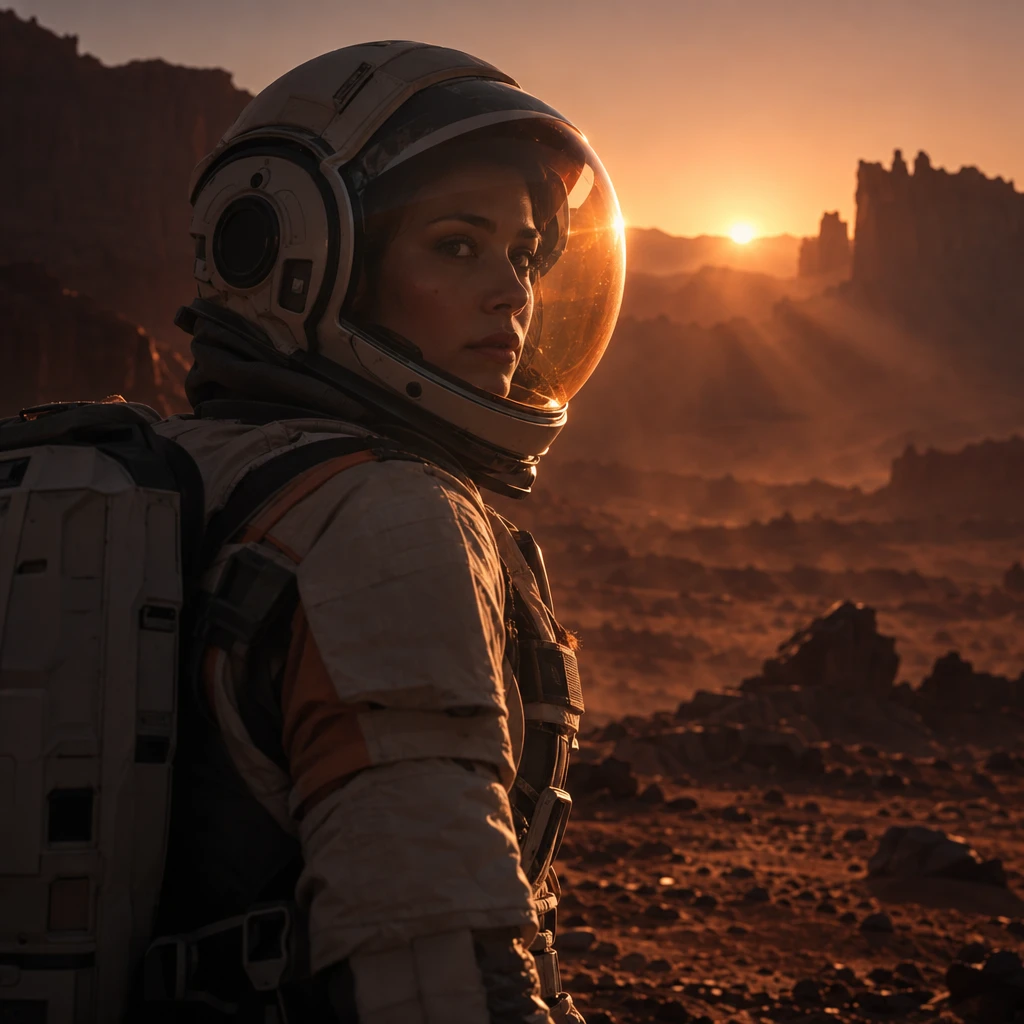
- Weak prompt: “A portrait of an astronaut on Mars, cinematic, realistic lighting.”
A dramatic portrait of an astronaut on Mars, low-key lighting, backlit by a harsh setting sun creating a vibrant rim light along their helmet, volumetric dust beams cutting through the thin atmosphere.
Precise lighting terminology is one of the cheapest upgrades you can make to a prompt. Layer source, direction, quality, and color, then start a free trial and run the formula through every model on the canvas until the shadows land exactly where you want them.