The ultimate guide to film types for AI image generation
If your AI-generated images look too smooth, plastic, or unmistakably “digital,” you are not alone. One of the most effective ways to break away from that flat, synthetic look is to reference real film types and film stocks in your prompts. Prompting with specific film types forces AI models to imitate real-world color science, grain structures, dynamic ranges, and optical imperfections. Here is a comprehensive guide to film stocks, motion picture films, and formats you can use to elevate your AI art.
Color negative films: warmth, nostalgia, and natural tones
Color negative stocks are ideal for human subjects, street scenes, and everyday moments. They offer organic color palettes and forgiving highlight roll-off.
- Kodak Portra (400 / 800): the gold standard for portraiture, yielding smooth skin tones, soft pastel highlights, creamy contrast, and fine grain.
- Kodak Gold 200: a classic retro feel with pronounced golds, warm yellows, and vivid reds – perfect for sun-drenched outdoor scenes.
- Kodak Ultramax 400: punchy, saturated primary colors, especially deep blues and golden yellows, with prominent consumer film grain.
- Fujifilm Superia X-TRA 400: crisp greens, cool cyan shadows, and sharp detail rendering.
- Fujifilm Pro 400H: airy, soft cool tones and low-contrast pastel highlights – highly sought after for wedding and editorial styles.
- Cinestill 800T: a favorite for night scenes, producing a tungsten-balanced cinematic look with teal shadows and signature red halation (glowing halos around bright light sources).
Motion picture and cinema stocks: big-screen aesthetics
To make an image look like a high-budget movie still or an auteur production, specify cinema film.
- Kodak Vision3 500T (5219): the modern cinema workhorse, offering wide dynamic range, rich shadow detail, and authentic cinematic grain under tungsten lighting.
- Eastmancolor: evokes 1960s and 1970s vintage Hollywood films, with warm, slightly faded color palettes and gentle contrast.
- Technicolor Three-Strip: mimics early golden-age cinema (like The Wizard of Oz), producing hyper-saturated, vibrant primary colors.
Black & white stocks: atmosphere, grain, and contrast
Black and white prompting strips away color distraction, focusing the model on form, shadow, and texture.
- Kodak Tri-X 400: gritty, iconic street photography style with high contrast and deep, bold blacks.
- Ilford HP5 Plus 400: balanced and versatile, offering smooth grey transitions and mid-range contrast.
- Ilford Delta 3200: high-speed film with heavy, visible grain and moody, high-contrast shadows – excellent for low-light noir prompts.
- Ilford Pan F Plus 50: ultra-sharp rendering with almost invisible grain and maximum detail retention.
Slide and reversal films: high contrast and saturated colors
Slide film (positive film) creates vivid images with rich saturation and dark, moody blacks.
- Fujifilm Velvia 50 / 100: famous among landscape photographers for extremely rich, saturated greens, deep sky blues, and fiery sunset tones.
- Kodachrome (64 / 200): the quintessential mid-century look, with rich reds, warm earth tones, and a nostalgic National Geographic feel from the 1950s–1980s.
Specialty and alternative film styles
For surreal, vintage, or experimental visual styles, non-traditional film types open up looks the classics can't.
- Color Infrared (Kodak Aerochrome): converts green chlorophyll, like foliage and leaves, into hot pink, crimson, or bright magenta while leaving skies dark blue.
- Polaroid / Instant Film: soft focus, washed-out shadows, muted pastel tones, and characteristic light leaks.
- Lomography LomoChrome Purple: wildly shifts colors across the spectrum, turning greens into deep violet, blues into turquoise, and yellows into pink.
- Disposable camera: harsh direct flash effects, high contrast, slight lens vignetting, and heavy, cheap film grain.
Film formats: controlling depth of field and detail
Adding the physical gauge or format of the film helps control perspective, image resolution, and depth of field.
- 8mm / Super 8 film: heavy grain, soft focus, retro home-movie aesthetic.
- 35mm film: the universal standard for sharp, natural photography.
- Medium format (120mm / Hasselblad look): extreme subject isolation, shallow depth of field, silky background blur (bokeh), and high clarity.
- Large format (4x5 / 8x10): razor-sharp detail across the entire plane, typical of architectural or fine-art photography.
Putting it all together: a formula for better prompts
To get the most out of these keywords, layer the subject, film stock, format, and lighting setup into your prompt formula:
[Subject/Scene description] + [Shot on Film Stock] + [Film Format] + [Lighting Condition]
A portrait of a street vendor at dusk, shot on 35mm Cinestill 800T film, medium format lens, neon street lights, soft red halation, cool shadow tones, natural grain.
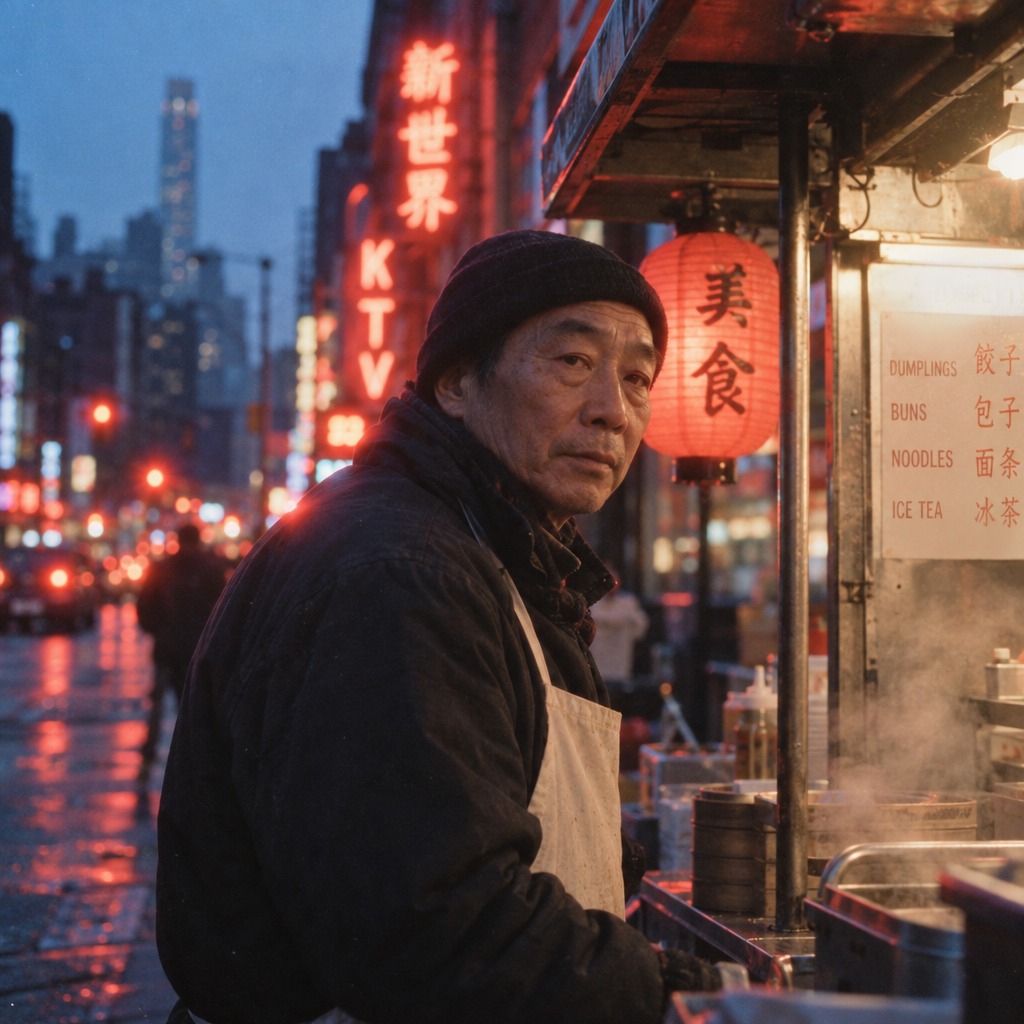
Experimenting with these combinations will instantly give your AI artwork more character, depth, and tangible realism.
Film references are one of the cheapest upgrades you can make to a prompt. Layer subject, film stock, format, and light, then start a free trial and run the formula through every model on the canvas until one nails the shot.